
Dobbins Chiropractic
About chiropractic
A natural, whole-body approach
Chiropractic looks at the human body as a whole. It is based on the idea that the body is self-sustaining and self-healing.
The brain controls the body, and the spinal cord and the network of nerves that carry its messages matter just as much. When that system is not working well, the rest of the body’s performance suffers.
In this office I do not use drugs to treat patients. Supplements and nutrition are often part of the larger picture. Drugs and prescriptions can cover symptoms without addressing the source. Chiropractic care is aimed at the problem itself, so the body can do more of its own healing.
Chiropractors are often thought of as people who only treat back and neck pain. That is a small piece of the work. Soft-tissue and joint problems such as sciatica are part of it, and so are other health issues, including fibromyalgia, allergies, insomnia, and headaches.
A short history of the profession
Daniel David Palmer, called D.D., was a magnetic healer in Davenport, Iowa. He said he gave the first chiropractic adjustment on September 18, 1895. The patient was Harvey Lillard, a janitor who had lost most of his hearing. Palmer’s account was that a misaligned vertebra was involved, and that Lillard’s hearing improved after the adjustment. In 1896 a patient, the Reverend Samuel Weed, proposed the name chiropractic, from Greek words for “done by hand.” The next year Palmer opened a school in Davenport.
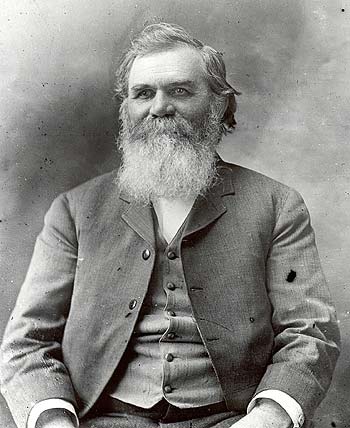
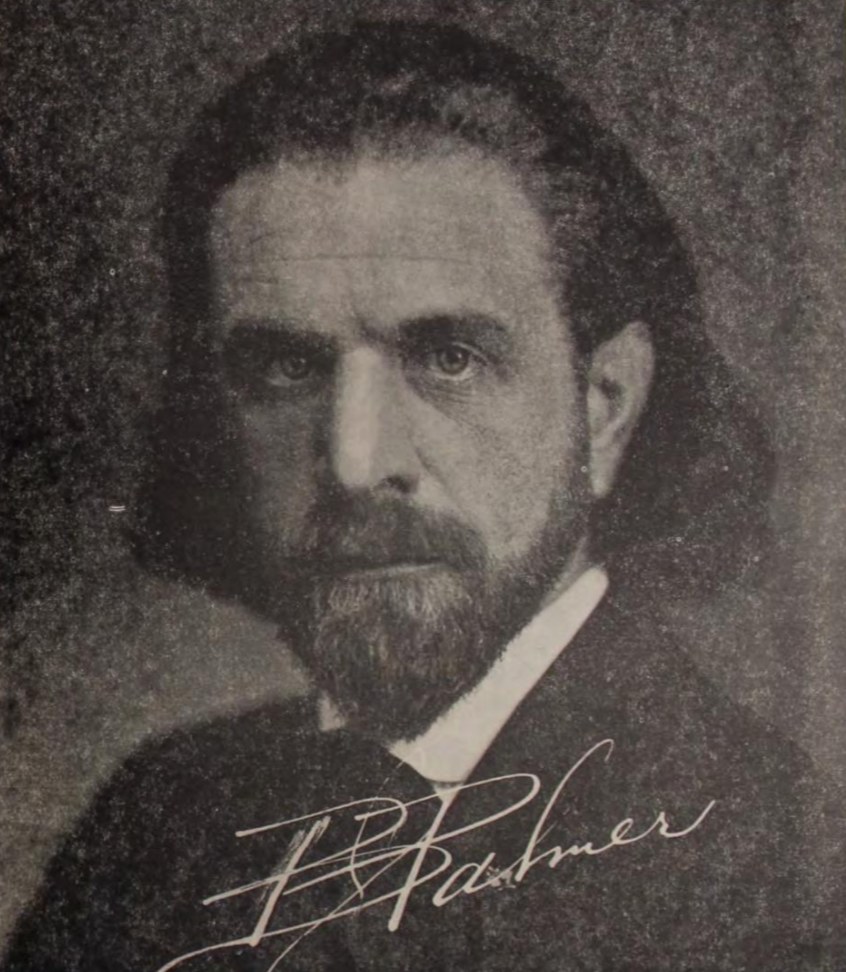
His son, Bartlett Joshua Palmer, called B.J., led that school through most of the next half century and made Davenport the center of the young profession. He carried chiropractic into print, onto the radio, and into the classroom, and he brought X-ray into chiropractic education. The early decades were also a fight for the legal right to practice. Medical boards prosecuted chiropractors, including D.D. Palmer, for practicing medicine without a license. Chiropractors answered by seeking laws of their own. Kansas passed the first chiropractic licensing statute in 1913. Louisiana, in 1974, was the last state to do so.
Training and public standing changed over the same years. In 1972 Congress included spinal manipulation by chiropractors in Medicare. In 1974 the U.S. Commissioner of Education recognized the Council on Chiropractic Education as the accrediting body for chiropractic colleges. In 1976 several chiropractors sued the American Medical Association, arguing that organized medicine had tried to shut the profession out. In 1987 a federal judge ruled that the AMA had broken antitrust law in a campaign to contain and eliminate chiropractic. Appeals ended in 1990 with that ruling still in place.
Chiropractic is now licensed in every state, the District of Columbia, U.S. territories, and dozens of other countries. A doctor of chiropractic completes an accredited program and passes national and state examinations. The work still centers on the spine and the nervous system, and the methods have widened from hands-on adjusting to instrument adjusting and other forms of care.
Timeline
- 1895 D.D. Palmer gives what he called the first chiropractic adjustment, to Harvey Lillard, in Davenport, Iowa.
- 1896 Samuel Weed suggests the name chiropractic.
- 1897 The Palmer School opens in Davenport. It later becomes Palmer College of Chiropractic.
- 1906 D.D. Palmer is jailed for practicing medicine without a license. B.J. Palmer is leading the school.
- 1910 B.J. Palmer brings X-ray into chiropractic education.
- 1913 Kansas passes the first state law licensing chiropractors.
- 1972 Congress includes chiropractic spinal manipulation in Medicare.
- 1974 The Council on Chiropractic Education is recognized by the federal government. Louisiana becomes the last state to license chiropractors.
- 1976 Chester Wilk and other chiropractors sue the American Medical Association.
- 1987 A federal judge rules that the AMA violated antitrust law in a campaign against chiropractic. The ruling stands after appeals end in 1990.